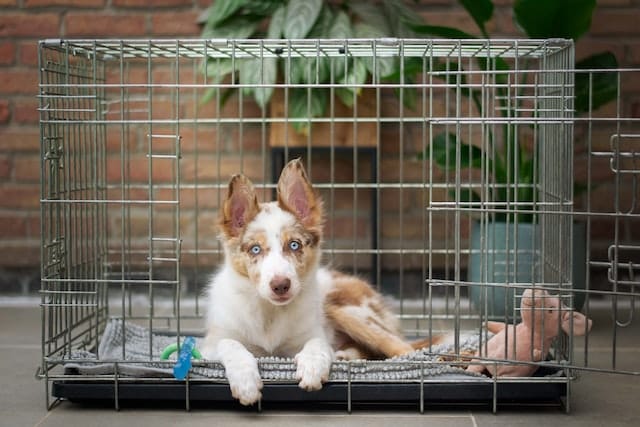
Your pet will help round out your family in a way that no other external resource can. If you have a great dog, you have a responsibility to train it well. Dogs need to learn how to behave, and crate training is an excellent method to employ. Whether you have a new puppy or an older pooch, crate training can help them learn how to behave and will make your life much easier in the long run. It’s a common misconception that dogs don’t like crates. In fact, many experts and dog trainers have found that dogs enjoy having crates, and that crate training can produce a happier and more well-behaved pet, especially if done with a pup.
We’re going to let you in on a little secret – nine mistakes people make when dog crate training. Keep reading to make sure you’re not making any of these common errors!
Continue reading 9 Most Common Crate Training Mistakes and How to Fix Them



 Dogs can feel anxious when they are separated from their owner, and this can lead to separation anxiety. Separation anxiety and stress are fairly common in dogs. When a dog is left alone, it may become very distressed, usually displaying a wide range of behaviors. A dog who displays anxiety may whine, bark, howl, pace, or chew. If left alone for too long, it may even attempt to escape. By implementing a few, but important training you can be able to prevent dog separation anxiety before it starts.